

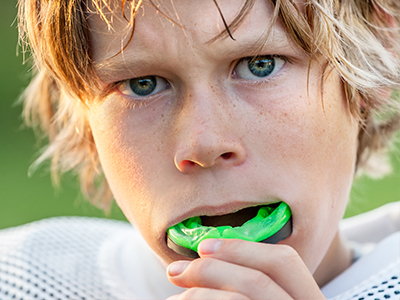
Sports-related facial injuries are a common and often preventable consequence of active play. A properly fitted mouthguard absorbs and disperses impact forces that would otherwise travel through teeth, gums, and bone, reducing the likelihood of cracked or knocked-out teeth, soft-tissue lacerations, and jaw trauma. Beyond immediate tooth damage, mouthguards can help prevent secondary injuries such as cuts to the lips and tongue and reduce the risk of concussions in certain collision sports by limiting jaw movement during an impact.
Wearing a mouthguard is a straightforward precaution that offers protection across a wide range of activities — from organized team sports to informal neighborhood games and recreational hobbies. The level of protection depends on fit, material, and how consistently the device is used. Athletes who adopt mouthguards as a standard part of their gear experience far fewer oral injuries than those who rely on luck or sporadic protection.
For families and youth athletes in Miami Lakes, understanding how mouthguards work and when to use them is one of the simplest ways to safeguard a lifelong smile. Whether the athlete is in little league, high school competition, or adult recreational leagues, the right mouthguard reduces downtime and the need for more invasive dental interventions afterward.
Mouthguards fall into three practical categories: pre-formed stock guards, boil-and-bite models, and custom appliances crafted by a dental professional. Stock guards are ready to wear straight from the package, but their one-size-fits-many approach often leaves gaps that compromise safety and comfort. Boil-and-bite options offer a step up; warming and molding them improves the fit but still cannot match the precision of a professionally made device.
Custom mouthguards are fabricated using an impression or digital scan of the athlete’s teeth, allowing the device to conform precisely to tooth position, bite, and soft tissues. This personalized fit minimizes unwanted movement, enhances breathing and speech during play, and provides superior shock absorption. For athletes with extensive dental work, orthodontic appliances, or a history of dental injury, the tailored protection of a custom guard is frequently the most reliable solution.
Choosing the right type depends on the player’s age, level of competition, dental status, and comfort needs. While over-the-counter options offer convenience, a dentist-made mouthguard delivers a combination of protection, durability, and comfort that passive solutions typically cannot match.
Orthodontic patients and individuals with crowns, bridges, or implants require additional consideration when selecting a mouthguard. Braces create multiple contact points that can cause soft-tissue injuries if a mouthguard doesn’t provide adequate coverage and flexibility. Similarly, restorations need a device that protects the underlying tooth structure without placing undue pressure on prosthetic work.
For younger athletes, growth and changing dental alignment mean a mouthguard must accommodate development or be replaced periodically to maintain effectiveness. A custom mouthguard can be designed with a slightly more adaptable fit, or scheduled checks can ensure continued protection as the player matures. The practice’s dental team can assess each athlete’s oral status and recommend the most appropriate type of guard to balance protection with ongoing dental treatment.
Addressing these special cases early—before an athlete returns to full contact or competitive play—helps prevent costly and time-consuming repairs later. Proactive planning is especially important during orthodontic treatment or immediately following restorative procedures, when teeth and appliances are most at risk.
The process of creating a custom mouthguard is straightforward and centered on comfort and performance. It typically begins with a clinical assessment to evaluate tooth position, bite relationship, and any appliances or restorations that must be accommodated. The dental team then takes an impression or a digital scan, which serves as the blueprint for a device made from medical-grade materials tailored to the athlete’s oral anatomy.
Once fabricated, the mouthguard is fitted and adjusted to ensure even contact, proper retention, and unobstructed breathing. The laboratory materials used for custom guards are selected for shock absorption and resilience, which enhances longevity and consistent protection. If an athlete’s bite changes, or if appliances are added or removed, the guard can be re-evaluated and modified as needed to preserve fit and function.
This personalized approach helps athletes perform comfortably while minimizing distraction. The time invested in a custom mouthguard pays dividends in better fit, clearer communication on the field, and greater confidence that the device will stay in place when it matters most.
Maintaining a mouthguard is simple but important for hygiene and performance. Rinse the guard with cool water after each use, brush it gently with a soft toothbrush and mild soap, and allow it to air dry completely before storing it in a ventilated case. Avoid hot water and direct sunlight, which can warp protective materials, and never place a mouthguard near high heat sources such as car dashboards or dishwashers.
Inspect the guard regularly for signs of wear, such as thinning, deformation, or persistent odor that won’t resolve with cleaning. Any cracks or rough edges can reduce protection and irritate soft tissues, so an examination by the dental team is recommended if damage is suspected. For growing athletes or players undergoing orthodontic treatment, routine evaluations will determine whether a new guard or an adjustment is necessary to maintain optimal fit.
Proper storage and gentle handling extend the life of a mouthguard, but safety should always come first. If a device no longer fits snugly, interferes with breathing or speech, or shows visible deterioration, it should be replaced to ensure continued protection during play.
At Comprehensive Family Dentistry, our goal is to help athletes and active families make informed decisions about oral protection. If you’d like guidance on selecting the right type of mouthguard, scheduling a fitting, or learning practical care tips, please contact us for more information. We’re happy to answer your questions and help you protect your smile on and off the field.


A sports mouthguard is a removable appliance worn over the teeth to absorb and disperse impact forces that would otherwise travel through teeth, gums, and jawbone. By cushioning blows to the mouth, a properly fitted guard reduces the risk of cracked or knocked-out teeth, cuts to the lips and tongue, and other soft-tissue injuries. Because it limits unwanted movement of the jaw at the moment of impact, a mouthguard also helps protect dental restorations and orthodontic appliances.
Effectiveness depends on fit, material, and consistent use during activity, so athletes who wear a guard regularly experience far fewer oral injuries than those who do not. Mouthguards are appropriate for a wide range of activities—from organized contact sports to informal play and certain recreational hobbies. Choosing the right type and wearing it whenever risk is present are the simplest steps to safeguarding a long-term healthy smile.
Over-the-counter stock mouthguards are pre-formed and ready to wear, but their one-size-fits-many design often leaves gaps that compromise protection and comfort. Boil-and-bite models provide an improved fit by allowing the user to soften and mold the material around their teeth, yet they still lack the precision and retention of a device made from impressions or digital scans. A custom mouthguard is fabricated specifically for an athlete’s dentition, bite, and soft tissues, delivering superior fit, stability, and shock absorption.
Custom guards also tend to enhance breathing and speech during play because they conform precisely to tooth position and the athlete’s bite relationship. For competitors, athletes with extensive dental work, or those undergoing orthodontic treatment, the personalized design of a custom device is frequently the most reliable option. Given the better fit and materials used in custom fabrication, many athletes find them more comfortable and more likely to be worn consistently.
An athlete should wear a mouthguard during any activity where contact, falls, or fast-moving equipment or players present a risk to the face and mouth. That includes organized contact sports such as football, hockey, lacrosse, rugby, and boxing, as well as many noncontact sports where accidental collisions or falls can occur, like skateboarding, gymnastics, and mountain biking. Even informal practices and pickup games carry risk, so using a mouthguard consistently during all play is the safest approach.
Younger athletes, recreational players, and adults all benefit from incorporating a mouthguard into their standard protective gear, especially in sports with frequent collisions or high speeds. Coaches and parents should encourage regular use during drills and scrimmages as well as competitive events to minimize the chance of serious dental injury and the need for emergency dental care. Wearing a guard is a straightforward, proactive measure to protect oral health and reduce downtime after injury.
Mouthguards primarily protect teeth, soft tissues, and the jaw by absorbing and distributing impact forces, and they can limit excessive jaw movement during an impact. Some studies suggest that stabilizing the jaw may reduce certain force pathways associated with concussion, but the evidence is mixed and a mouthguard should not be considered a standalone concussion-prevention device. Helmets, proper technique, rule enforcement, and other sport-specific safety measures remain critical for reducing concussion risk.
That said, because mouthguards protect the oral cavity and can reduce the severity of direct facial trauma, they are an important component of an overall injury-prevention strategy. Athletes and caregivers should view a mouthguard as a means to prevent dental and jaw injuries and as a potentially helpful adjunct to broader protective equipment, rather than a replacement for helmets or other mandatory safety gear.
Orthodontic appliances and restorative work require special consideration because brackets, wires, crowns, and implants can change the contours of the mouth and create additional contact points during impact. A custom mouthguard can be designed with extra thickness and coverage in areas where braces or restorations create vulnerability, helping to reduce soft-tissue injury and protect the dental work itself. For braces, an appliance that adapts to the brackets and provides a smooth internal surface helps prevent cuts and irritation during play.
Patients with crowns, bridges, or implants benefit from a tailored approach that avoids uneven pressure on prosthetic components while still delivering effective shock absorption for natural teeth. Regular evaluation of fit is especially important during orthodontic treatment or after restorative procedures because changes in tooth position or appliance status can alter retention and effectiveness. When in doubt, schedule an assessment so the dental team can recommend the best type of guard for each situation.
The custom mouthguard process begins with a clinical assessment to review tooth position, bite relationship, and any appliances or restorations that must be accommodated. The dental team then takes an impression or a digital scan of the athlete’s teeth, which serves as the exact blueprint for a laboratory-made device crafted from medical-grade materials. Laboratory fabrication ensures consistent thickness, layered construction where appropriate, and attention to retention and breathing clearance.
When the guard returns from the lab it is fitted and adjusted in the office to ensure even contact, proper retention, and unobstructed breathing and speech. Follow-up checks can verify that the device remains effective as the athlete grows or if dental treatment changes the bite. This personalized approach maximizes protection and comfort so athletes are less likely to remove the guard during play.
Rinse the mouthguard with cool water immediately after each use, then brush it gently with a soft toothbrush and mild, nonabrasive soap to remove saliva and debris. Allow the device to air dry completely before storing it in a ventilated case to discourage bacterial growth, and clean the case periodically as well. Avoid hot water, direct sunlight, or exposure to high heat sources like car dashboards, which can warp or deform the material.
Do not use harsh chemicals, household disinfectants, or boiling water, as these can damage the guard’s structure and reduce protection. Inspect the appliance regularly for thinning, cracks, or persistent odors that cleaning does not remove, and bring any concerns to your dental team so they can advise on repair or replacement. Proper daily care extends the life of the guard and maintains a safe, hygienic appliance for play.
A mouthguard should be replaced whenever it shows signs of wear such as thinning, deformation, cracks, or jagged edges that could irritate soft tissues or compromise protection. Replacement is also necessary after any significant impact that might have altered the guard’s structure, even if damage is not immediately visible. For growing athletes and those undergoing orthodontic treatment, regular reassessment is important because changes in tooth position can reduce retention and effectiveness.
Routine dental visits provide an opportunity to evaluate the condition and fit of a mouthguard and to determine whether a new appliance is needed. Prioritizing timely replacement helps ensure consistent protection during play and reduces the chance of injury-related downtime or more invasive dental interventions after an accident.
Custom mouthguards are typically made from medical-grade thermoplastic materials such as ethylene-vinyl acetate (EVA) or layered thermoplastics that deliver shock absorption and resilience. These materials are selected for their ability to deform under impact and then rebound, dispersing energy away from teeth and oral tissues. Labs producing custom guards follow material safety standards, using biocompatible, non-toxic compounds intended for intraoral use.
The layered construction used in many custom designs allows technicians to vary thickness and firmness in targeted zones to balance protection with comfort and speech. If a patient has allergies or sensitivities, the dental team can review material specifications and recommend alternatives or testing as needed. Quality fabrication and appropriate materials together support a durable, safe appliance for regular athletic use.
When selecting a mouthguard for a child, parents should consider the child’s age, the type and level of sport, compliance with wearing the device, and whether the child is undergoing orthodontic treatment. For very young players or those who may be less consistent in keeping a guard in, a comfortable, well-fitting custom guard often increases the likelihood it will be worn regularly. Regular monitoring is important because growth and shifting teeth can reduce retention and effectiveness over time.
Scheduling an evaluation with the dental team in Miami Lakes can help parents determine the best option and establish a follow-up plan to reassess fit as the child develops. Comprehensive Family Dentistry can provide guidance on guard type, fit checks, and care instructions to ensure ongoing protection tailored to a child’s changing needs. Proactive selection and routine reassessment help protect teeth and reduce the risk of long-term dental consequences from sports injuries.

Whether you’re ready to schedule your next dental appointment or simply have questions about our services, connecting with our team has never been easier.
Our friendly team is here to assist with appointment scheduling, answer questions about treatments, and address any concerns you may have. You can call or use our convenient online form to get in touch.
Take the first step toward a healthier, more confident smile—contact us today and experience the difference personalized dental care can make.

Back to top