

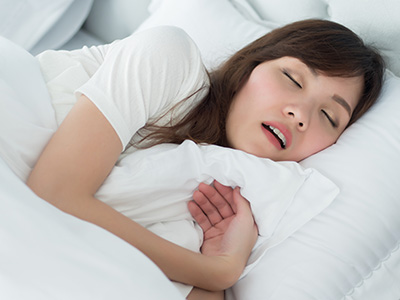
Snoring happens when airflow through the upper airway causes soft tissues at the back of the throat to vibrate during sleep. While an occasional snore is common, persistent or loud snoring can disrupt sleep for you and anyone who shares your home. It can also be a sign that a more serious sleep-breathing issue needs attention.
Estimates suggest tens of millions of Americans snore on a regular basis. Some of those people are what clinicians call “primary snorers,” meaning their symptom is isolated snoring without evidence of sleep apnea. Others may have sleep-disordered breathing that requires further evaluation. Either way, addressing snoring can improve sleep quality and daytime functioning.
Multiple factors influence how easily air moves through your nose and throat at night. Understanding those contributors is the first step toward choosing an effective and comfortable solution.
Snoring is essentially an acoustic byproduct of narrowed airflow. When the airway at the back of the mouth and throat partially collapses or is restricted, air passing through makes the surrounding tissue vibrate. That vibration is the sound we recognize as snoring.
The degree and pitch of snoring vary by individual. Narrower passages and floppier tissue tend to produce louder, harsher sounds, while milder obstructions create softer noise. These differences help clinicians determine whether snoring is isolated or part of a broader breathing disorder.
It’s also helpful to think of snoring as a symptom rather than a single condition. While many people only experience nuisance-level snoring, others have patterns that warrant medical review — especially when snoring is accompanied by gasping, long pauses in breathing, or excessive daytime sleepiness.
Not every snorer needs advanced testing, but certain signs suggest the possibility of sleep-disordered breathing. Loud, frequent snoring combined with witnessed breathing pauses, choking episodes, or persistent daytime fatigue are red flags that should prompt a professional assessment.
Primary snoring — snoring without the physiological changes that define sleep apnea — can often be managed conservatively. However, clinicians typically recommend ruling out obstructive sleep apnea (OSA) when symptoms suggest more than simple snoring. That evaluation may involve screening questionnaires, home sleep testing, or referral to a sleep medicine specialist.
When you meet with your dental provider or physician, be ready to describe your sleep history, partner observations, and daytime symptoms. This context helps determine whether a dental appliance is an appropriate option or if additional medical testing is needed first.
Oral appliances for snoring are custom-made devices worn during sleep to help keep the airway open. The most common variety gently advances the lower jaw (mandible) forward, which in turn helps prevent the tongue and soft tissues from collapsing into the airway. This repositioning can reduce noise and improve airflow for many primary snorers.
There are several types of devices. Mandibular advancement devices (MADs) shift the jaw forward by a small, adjustable amount. Tongue-stabilizing devices (TSDs) hold the tongue in place to prevent it from falling back. A skilled clinician will recommend the style most likely to be effective and comfortable given your dental anatomy and sleep profile.
Because comfort and fit strongly influence success, appliances are custom fabricated from impressions or digital scans of your teeth. That customization improves retention and reduces the risk of unwanted tooth movement or jaw discomfort compared with over-the-counter alternatives.
Your treatment journey typically begins with a focused consultation. The clinician will review your medical and sleep history, perform an oral examination, and assess how well an appliance might suit your needs. If there is any concern about sleep apnea, the practice may recommend coordinating care with a sleep physician before proceeding.
Once an oral appliance is recommended, impressions or scans are taken to create a model of your mouth. The laboratory then crafts the device to your specifications. At the fitting appointment the clinician checks fit and comfort, explains how to insert and remove the appliance, and programs any necessary adjustments to jaw positioning.
Initial adjustment periods are normal. It’s common to experience mild jaw soreness or increased saliva for a few nights as the mouth adapts. The practice will schedule follow-up visits to fine-tune the fit and to monitor both symptom improvement and dental alignment over time.
Proper maintenance extends the life of an oral appliance and preserves oral health. Clean the device nightly with a soft toothbrush and mild, non-abrasive soap, rinse thoroughly, and store it in a ventilated case. Avoid hot water and harsh chemicals that can deform or damage the material.
Regular monitoring is important because wearing a mandibular advancement device can alter bite relationships if left unchecked for long periods. Periodic dental checkups allow the clinician to track any tooth movement or changes in jaw comfort and make adjustments as needed.
Not all snorers are ideal candidates for an oral appliance — for example, people with very loose teeth, active periodontal disease, or certain jaw disorders may need alternative approaches. Your provider will review these considerations during the evaluation and can recommend referrals when appropriate.
Finally, if you notice new symptoms such as persistent jaw pain, tooth mobility, or worsening daytime sleepiness, contact your dental or medical provider promptly. Those signs may indicate the need for a reassessment of your treatment plan.
At Comprehensive Family Dentistry, we approach snoring with careful evaluation, personalized appliance selection, and ongoing follow-up to balance comfort and effectiveness. If you’re interested in learning whether a snoring appliance could help you or a loved one, please contact us for more information.


Snoring occurs when airflow through the upper airway causes soft tissues at the back of the throat to vibrate during sleep, producing audible noise. The sound varies with the degree of obstruction and the physical characteristics of the soft palate, uvula and surrounding tissue. Occasional snoring is common, but persistent, loud, or disruptive snoring may indicate a need for further evaluation.
Multiple factors influence airway patency at night, including nasal congestion, relaxed throat muscles, alcohol or sedative use, sleep position and excess soft tissue around the airway. Addressing the underlying contributors often improves sleep quality and daytime functioning for both the snorer and their bed partner. At Comprehensive Family Dentistry we evaluate oral and jaw anatomy alongside sleep history to determine whether a dental appliance may be a suitable option.
Snoring appliances are custom oral devices worn during sleep that help keep the airway open by altering the position of the jaw or tongue. The most common devices are mandibular advancement devices (MADs) that gently advance the lower jaw forward to reduce soft-tissue collapse, and tongue-stabilizing devices (TSDs) that hold the tongue forward. Both approaches aim to increase airway space and reduce the tissue vibration that causes snoring.
Appliances are typically fabricated from impressions or digital scans so they fit the mouth precisely and minimize unwanted tooth movement. A clinician selects the device type based on dental anatomy, comfort, and the patient’s sleep profile, and many modern appliances allow incremental adjustment to balance effectiveness with tolerability.
Good candidates for a snoring appliance are adults whose primary issue is isolated snoring without clinical or testing evidence of obstructive sleep apnea, and who have a stable dentition and adequate dental structure to retain a device. Patients should be free of active periodontal disease, loose teeth or certain temporomandibular joint disorders that could be aggravated by mandibular advancement. A thorough oral exam and sleep history help determine candidacy.
When snoring is accompanied by witnessed breathing pauses, choking episodes, or significant daytime sleepiness, clinicians often recommend screening or sleep testing to rule out sleep apnea before pursuing an oral appliance. Coordination with a sleep medicine specialist is prudent when symptoms suggest more than primary snoring, since treatment priorities may change based on diagnostic findings.
The process typically begins with a focused consultation that includes a review of medical and sleep history, an oral examination, and discussion of treatment goals and alternatives. If a dental appliance is appropriate, impressions or digital scans are taken to create a custom-fit device and the clinician explains how the appliance works and what to expect during adaptation. If there is concern for sleep apnea, the office may recommend further evaluation with a sleep physician or home sleep testing prior to fabrication.
Once the appliance is fabricated, a fitting appointment ensures proper retention and comfort and allows initial adjustment of jaw position if using a mandibular device. Patients often experience a short adaptation period with mild jaw soreness or increased salivation that typically resolves within a few nights. Follow-up visits are scheduled to fine-tune the fit, review symptom improvement and monitor dental alignment over time.
Common short-term effects include mild jaw soreness, tooth or gum sensitivity and increased salivation as the mouth adjusts to the device, and these symptoms usually improve with continued use and minor adjustments. Less commonly, prolonged use without monitoring can lead to changes in bite or tooth alignment, particularly if the appliance is not fitted correctly or if follow-up appointments are missed. Serious complications are rare but can include TMJ discomfort or tooth mobility in susceptible individuals.
Regular monitoring by a dental professional helps detect and address side effects early, and adjustments or alternative treatments can be offered when needed. Patients should report persistent pain, new tooth looseness or worsening daytime sleepiness promptly so the treatment plan can be reassessed and coordinated with medical providers when appropriate.
Continuous positive airway pressure (CPAP) is the first-line treatment for moderate to severe obstructive sleep apnea because it actively splints the airway with pressurized air, while oral appliances are primarily indicated for primary snoring or mild to moderate sleep-disordered breathing. Oral appliances are typically less cumbersome and more tolerable for many patients, which can improve adherence for those who cannot tolerate CPAP. However, appliances are generally less effective than CPAP at eliminating apneic events in patients with significant obstructive sleep apnea.
Choosing between CPAP and an oral appliance depends on severity of disease, patient preference, anatomical factors and medical advice from a sleep specialist. In some cases clinicians use objective testing and follow-up sleep studies to document which therapy best controls breathing events and daytime symptoms for an individual patient.
Proper care preserves the device and supports oral health. Clean the appliance nightly with a soft toothbrush and mild, non-abrasive soap or cleanser, rinse thoroughly with cool or lukewarm water and store it in a ventilated case between uses to discourage bacterial growth. Avoid hot water, harsh chemicals or abrasive toothpaste that can warp or damage the material.
Bring the appliance to dental checkups so the clinician can inspect it for wear, cracks or fit issues, and follow any manufacturer-specific care instructions. Routine dental visits also allow monitoring for tooth movement, gum changes or other oral concerns that can develop over long-term use.
The lifespan of an oral appliance depends on the material, how well it is cared for and the amount of nightly use, but many custom devices remain effective for several years with proper maintenance. Over time the appliance can show signs of wear, loss of retention or changes in fit due to dental movement or material fatigue, all of which reduce effectiveness. Regular follow-up appointments help identify when repair or replacement is appropriate.
Patients should consult their dental provider if the device becomes uncomfortable, if snoring returns or worsens, or if they notice changes in bite or tooth alignment. Timely replacement maintains therapeutic benefit and minimizes the risk of unintended dental side effects.
Certain dental and medical conditions can limit the suitability of oral appliances, including active periodontal disease, a small number of remaining teeth, excessively loose teeth or severe temporomandibular joint disorders. These factors can compromise device retention or exacerbate dental problems, so alternatives are often considered for affected patients. A thorough dental exam identifies these contraindications before any appliance is fabricated.
Medical conditions that suggest significant sleep apnea, such as witnessed apneas, choking episodes or marked daytime sleepiness, typically warrant medical evaluation and may direct treatment toward CPAP or other medical therapies. Coordinated care between dental and medical providers ensures that patients receive the safest and most effective approach for their condition.
To explore whether a snoring appliance may help you, request an evaluation that includes a focused sleep and medical history and a thorough oral examination. During the visit the clinician will discuss your symptoms, any partner observations, and whether additional sleep testing or medical referral is advisable before proceeding with an oral device. This comprehensive approach helps match treatment to each patient’s unique needs.
The office of Comprehensive Family Dentistry offers individualized assessment and follow-up care to monitor comfort, dental alignment and symptom improvement over time. If you are considering an oral appliance, contact the practice to arrange a consultation and learn what to expect from the evaluation and fitting process.

Whether you’re ready to schedule your next dental appointment or simply have questions about our services, connecting with our team has never been easier.
Our friendly team is here to assist with appointment scheduling, answer questions about treatments, and address any concerns you may have. You can call or use our convenient online form to get in touch.
Take the first step toward a healthier, more confident smile—contact us today and experience the difference personalized dental care can make.

Back to top