

A restful night is more than a comfort — it’s a foundation for good health. When breathing is repeatedly interrupted during sleep, the brain and body cannot fully recover, and daytime function suffers. Millions of adults experience obstructive sleep apnea and related breathing disorders without realizing it. At Comprehensive Family Dentistry, we work with patients to identify risks and offer dental sleep solutions that support safer, more restorative sleep.
Obstructive sleep apnea (OSA) occurs when the upper airway collapses or becomes blocked while you sleep, causing repeated pauses in breathing. These pauses — called apneas — can last several seconds and may happen many times per hour. Each episode temporarily reduces oxygen levels and jolts the sleeper into lighter stages of sleep, preventing the deep, restorative cycles that are essential for memory, mood, and cardiovascular health.
Anatomy plays a major role: the soft tissues of the throat, the tongue, and the position of the jaw can all influence how easily the airway stays open. Factors such as nasal congestion, large tonsils, excess weight, and certain jaw structures increase the likelihood of obstruction. While obstructive sleep apnea is the most common type, clinicians consider other forms that involve central nervous system regulation; a careful evaluation helps distinguish these causes.
OSA is not limited to loud snorers — though snoring is a common symptom — and it affects people across ages and body types. Because the consequences extend beyond sleepiness to increased risk of high blood pressure, metabolic issues, and impaired daytime performance, early recognition and appropriate management are important for long-term health.
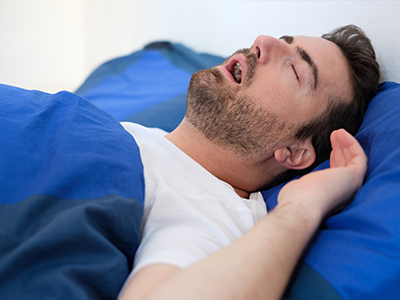
Signs of sleep-disordered breathing often appear both during sleep and while awake. Nighttime indicators include loud, frequent snoring, choking or gasping awakenings, and observed pauses in breathing. Sleep partners or household members frequently notice these interruptions first, even when the person with apnea is unaware of them.
Daytime effects can be subtle at first but grow more pronounced over time. People with untreated OSA commonly report excessive daytime sleepiness, difficulty concentrating, forgetfulness, and mood changes such as irritability or low tolerance for stress. Morning headaches and a dry mouth upon waking are also frequently reported. These daytime symptoms can impair work performance, increase accident risk, and reduce overall quality of life.
Because symptoms vary, health professionals rely on a combination of patient history, partner observations, and diagnostic testing to form a clear picture. Spotting patterns — like falling asleep unintentionally during meetings or while driving — should prompt evaluation rather than being dismissed as simple fatigue.
Diagnosis typically begins with a thorough medical and dental history and a targeted physical exam focusing on airway anatomy. Your dentist or physician will ask about sleep habits, snoring, daytime sleepiness, and any factors such as nasal obstruction or thyroid issues that might contribute. A screening questionnaire or sleepiness scale may be used to quantify symptoms.
The definitive test for many patients is a sleep study, which measures breathing patterns, oxygen levels, heart rate, and sleep stages. Studies can be done in a sleep lab under clinical supervision or at home with portable monitoring equipment, depending on your risk profile and symptoms. The results help determine whether obstructive sleep apnea is present and how severe it is, guiding the choice of therapy.
Because dental professionals can identify oral and jaw-related contributors to airway collapse, a collaborative approach between your dentist and medical sleep specialist is often the most effective. This team can interpret findings together and recommend an individualized treatment plan that considers both medical and dental options.
Treatment begins with matching the approach to the disease severity and the patient’s preferences. For some, lifestyle measures — such as weight management, positional therapy (avoiding back-sleeping), and addressing nasal congestion — can reduce symptoms significantly. These interventions are often recommended alongside other therapies, not as standalone cures for moderate to severe OSA.
Continuous Positive Airway Pressure (CPAP) remains a common and effective medical treatment for many people with moderate to severe OSA. It delivers pressurized air through a mask to keep the airway open during sleep. While CPAP is highly effective when used consistently, some patients find it uncomfortable or difficult to tolerate long term, which has led to broader interest in alternative and adjunctive options.
Surgical procedures are sometimes considered when anatomical issues (such as enlarged tonsils or certain skeletal abnormalities) are primary contributors to obstruction. Decisions about surgery involve careful evaluation of risks, expected benefits, and potential recovery considerations. A multidisciplinary team helps weigh these factors for any patient considering an invasive route.
Importantly, treatment planning is not one-size-fits-all. Many patients do best with a combination of strategies tailored to their anatomy, symptom severity, lifestyle, and comfort level — which is why a coordinated plan between dental and medical providers often yields the best outcomes.
For mild to moderate obstructive sleep apnea and for patients who cannot tolerate CPAP, custom oral appliances are a proven alternative. These devices are worn in the mouth during sleep and work primarily by advancing the lower jaw (mandible) slightly forward. This repositioning increases the space behind the tongue and soft tissues, helping to keep the airway open through the night.
Unlike over-the-counter “boil-and-bite” options, custom appliances are designed from precise impressions and bite registrations to fit your mouth comfortably and maintain proper jaw alignment. This individualized fit enhances effectiveness and reduces side effects such as jaw soreness or bite changes. Your dental provider will select a device based on your specific anatomy and treatment goals.
Fitting an oral appliance involves a hands-on process: diagnostic records, detailed impressions, and adjustments during follow-up visits. After the appliance is fabricated, the dental team will fine-tune its position to balance airway improvement with comfort. Periodic reassessment — including feedback from sleep studies when appropriate — ensures the device continues to deliver therapeutic benefit.
Long-term care includes routine monitoring of oral health, bite stability, and device integrity. Many patients experience meaningful reductions in snoring and apnea events, plus improved daytime alertness, when an appliance is part of a comprehensive treatment plan supervised by qualified professionals.
If you suspect you or a family member has sleep apnea, the first step is to seek evaluation. Early identification and a coordinated approach to treatment can protect cardiovascular health, mood, and daily functioning. The dental team at Comprehensive Family Dentistry collaborates with medical specialists to ensure you receive a personalized plan that aligns with your needs and lifestyle.
To learn more about diagnostic options and whether dental sleep medicine could be part of your treatment, please contact us for additional information and guidance.


Obstructive sleep apnea (OSA) is a sleep disorder in which the upper airway repeatedly collapses or becomes blocked during sleep, causing short pauses in breathing. These pauses reduce oxygen levels and fragment normal sleep architecture, preventing restorative deep sleep. Over time, disrupted sleep can impair daytime alertness, memory, and mood.
OSA also places extra strain on the cardiovascular and metabolic systems, increasing the risk of high blood pressure, heart disease, and other health problems when left untreated. Anatomy such as the size of the tongue, throat tissues, and jaw position, plus factors like nasal congestion and body weight, all influence the likelihood of airway collapse. Early recognition and treatment can protect overall health and improve quality of life.
Nighttime indicators include loud, persistent snoring, gasping or choking awakenings, restless sleep, and observed pauses in breathing reported by a bed partner. These episodes often occur many times per hour and may not be remembered by the sleeper. Snoring alone does not always mean sleep apnea, but frequent disruptive snoring warrants evaluation.
Daytime symptoms commonly include excessive sleepiness, difficulty concentrating, memory problems, and mood changes such as irritability. People may also wake with headaches, sore throat, or dry mouth, and they may find themselves unintentionally dozing during routine activities. If these signs interfere with work, driving, or safety, an assessment is recommended.
Evaluation begins with a detailed medical and dental history and a focused physical exam that looks at airway anatomy, nasal passages, and jaw structure. Clinicians often use validated screening tools and may ask about sleep habits, partner observations, and risk factors such as hypertension or daytime sleepiness. This information helps determine the need for formal testing.
Definitive diagnosis typically comes from a sleep study, either an in-lab polysomnography or a home sleep apnea test, which measure breathing, oxygen levels, heart rate, and sleep stages. Results quantify the number and severity of breathing events and guide treatment decisions. Dental professionals work with sleep physicians to interpret findings and recommend appropriate oral or medical therapies.
Treatment is tailored to the severity of OSA and the patient’s preferences, and it often starts with conservative measures such as weight management, positional therapy to avoid back sleeping, and nasal obstruction treatment. For many patients with moderate to severe OSA, continuous positive airway pressure (CPAP) is a highly effective medical therapy that maintains airway patency during sleep. While CPAP is effective, tolerance varies and other options may be considered.
Surgical procedures may be recommended for specific anatomical problems, and a multidisciplinary team will weigh the risks and benefits before proceeding. For patients with mild to moderate OSA or those who cannot tolerate CPAP, custom oral appliance therapy is a well-supported alternative. Often a combination of approaches yields the best long-term results.
Oral appliance therapy uses a custom-fitted device worn during sleep to hold the lower jaw slightly forward and increase space behind the tongue, which helps keep the airway open. These appliances are fabricated from precise impressions and bite records to ensure an accurate fit and minimize unwanted side effects. Because the devices change jaw position, they are designed and adjusted by dental professionals trained in sleep dentistry.
Ideal candidates are adults with mild to moderate obstructive sleep apnea or those who struggle with CPAP adherence, although candidacy depends on dental health, jaw mobility, and the pattern of airway collapse. A thorough dental evaluation identifies risks such as unstable teeth, active gum disease, or temporomandibular joint issues that could affect suitability. When selected and managed carefully, oral appliances can substantially reduce apnea events and improve daytime function.
A typical fitting begins with diagnostic records, including a dental exam, impressions, and bite registrations that capture your natural jaw relationship. The laboratory uses these records to fabricate a custom appliance, and the dentist will perform initial fitting and basic adjustments to confirm comfort and retention. Patients usually receive instructions on cleaning, insertion, and nightly use.
At Comprehensive Family Dentistry, follow-up visits are important to fine-tune jaw advancement and address soreness, bite changes, or jaw stiffness. Adjustments may be made over several visits to balance comfort with therapeutic effect. Periodic reassessment of symptoms and, when appropriate, repeat sleep testing help confirm that the device is reducing apnea events, and long-term care includes monitoring tooth alignment, gum health, and device integrity.
Common short-term side effects of oral appliances include jaw soreness, tooth discomfort, excessive salivation, or dry mouth as the mouth adjusts to the device. These symptoms often improve with gradual wear and device adjustments, but some patients experience persistent jaw or muscle pain. Less commonly, long-term use can produce changes in bite or tooth position.
Careful device selection, proper fitting, and regular dental monitoring reduce the likelihood of significant complications, and adjustments can often resolve minor issues. Patients with preexisting temporomandibular joint dysfunction or unstable dentition may require alternative therapies or closer follow-up. Discussing risks and expected changes before treatment helps set realistic expectations.
Effective sleep apnea care relies on collaboration between dental and medical providers so that each specialist contributes their expertise to a coordinated plan. Dentists trained in dental sleep medicine evaluate oral and jaw-related contributors and manage oral appliances, while sleep physicians assess overall medical risk, sleep study results, and the need for CPAP or other medical interventions. Communication and shared records ensure that treatments are safe and targeted.
In practice, the dentist and physician may exchange diagnostic findings, compare treatment responses, and jointly adjust therapy when symptoms persist or change. This team-based approach helps address complex cases, monitor cardiovascular risks, and support long-term adherence to therapy. Patients benefit from clear guidance on when to return to their dental or medical provider for reassessment.
You should schedule an evaluation if you or a bed partner notice loud, frequent snoring, observed pauses in breathing, or gasping awakenings, especially when coupled with daytime sleepiness. Other warning signs include falling asleep unintentionally during daily activities, morning headaches, or difficulty concentrating at work. High blood pressure or significant daytime fatigue also warrant timely assessment.
Early evaluation can identify sleep-disordered breathing before it causes more serious health effects and allows for a wider range of treatment options. Your dentist can perform initial screening and either manage oral appliance therapy or refer you to a sleep specialist for additional testing. Prompt attention helps protect daytime function and long-term health.
To begin an evaluation at Comprehensive Family Dentistry in Miami Lakes, start by requesting a consultation so the team can review your symptoms, medical history, and any partner observations. During the initial visit you can expect a focused airway exam, discussion of sleep habits, and recommendations for next steps such as a home sleep test or referral to a sleep physician when appropriate. The dentist will also assess dental health and jaw function to determine whether an oral appliance may be a suitable option.
If an oral device is recommended, the practice will take diagnostic records and guide you through the custom-fabrication and follow-up process to optimize effectiveness and comfort. Throughout care, the office coordinates with medical providers as needed to monitor outcomes and adjust treatment. If you have concerns about snoring or daytime sleepiness, requesting a consultation is the appropriate first step.

Whether you’re ready to schedule your next dental appointment or simply have questions about our services, connecting with our team has never been easier.
Our friendly team is here to assist with appointment scheduling, answer questions about treatments, and address any concerns you may have. You can call or use our convenient online form to get in touch.
Take the first step toward a healthier, more confident smile—contact us today and experience the difference personalized dental care can make.

Back to top