

Millions of people feel nervous or avoid dental care because of anxiety, sensitivity, or past bad experiences. At Comprehensive Family Dentistry, we understand those concerns and offer thoughtful sedation options designed to make dentistry accessible, calm, and manageable for patients of all ages. Our approach emphasizes safety, clear communication, and individualized care so that fear doesn't stand between you and a healthy smile.
Avoiding routine visits or necessary treatment can lead to bigger problems over time. Sedation dentistry is a practical solution for patients who struggle with anxiety, have complex dental needs, or find it difficult to sit through longer procedures. By helping people relax and remain comfortable, sedation lets the dental team focus on delivering efficient, high-quality care.
Our goal is to demystify the process: we explain the different sedation choices, review medical considerations, and create a plan that fits each patient's needs. You will remain an active partner in decision-making — informed, reassured, and prepared for every step of your visit.
Sedation dentistry is not a one-size-fits-all solution; it's a set of tools that reduce anxiety and enhance comfort while your dentist performs necessary treatment. Depending on the method selected, sedation can make procedures feel quicker and less stressful, often leaving only a faint recollection of the visit. Most patients describe a deep sense of relaxation rather than being completely unconscious.
Although sedation reduces anxiety, local anesthetic is still used to block pain at the treatment site when needed. Sedation primarily affects your level of awareness and stress response; local anesthesia controls sensation. Together they create a more comfortable and manageable experience for procedures ranging from routine restorations to longer rehabilitative treatments.
Throughout the appointment, our team monitors vital signs and responsiveness to ensure your safety and comfort. We tailor the dose and method to your health history, medications, and the length and complexity of the dental work. Clear instructions before and after your visit help the recovery process go smoothly.
People choose sedation for many sensible reasons. For some, intense fear of the dentist makes even basic care difficult to receive. For others, a strong gag reflex, sensitive teeth, or the need for multiple procedures in a single session makes sedation the most practical option. Sedation can also benefit patients with physical or cognitive challenges that make sitting for treatment uncomfortable or unsafe.
Dental phobia — For patients whose fear has prevented essential care, sedation opens the door to treatment that would otherwise be postponed or avoided.
Procedure-related anxiety — When nerves about a particular treatment make it hard to cooperate or relax, sedation can help create a calmer, more productive visit.
Lengthy or complex treatment — Extended appointments can be physically and mentally tiring. Sedation helps patients tolerate longer visits so more work can be completed safely in fewer appointments.
Excessive gag reflex or sensitivity — Patients who gag easily or have heightened sensitivity to touch and sound often find sedation significantly improves their comfort and the dentist's ability to work effectively.
Challenges with sitting still — Young children, patients with special needs, or those with certain medical conditions may benefit from sedation to allow routine or necessary care to be delivered with dignity and safety.

Selecting an appropriate sedation method begins with a careful review of your medical history, current medications, and the goals for the appointment. Our team discusses options, answers questions, and explains how each method affects awareness, comfort, and recovery. The right choice balances effectiveness with the simplest, safest approach for your situation.
It helps to know the distinction between conscious sedation and deeper forms of anesthesia. Conscious sedation reduces anxiety and creates a relaxed, sometimes drowsy state while allowing patients to respond to instructions. General anesthesia, which puts a patient in an unconscious state, is typically reserved for hospital settings and for individuals who cannot safely receive care under lighter sedation.
In an office setting, conscious sedation is most common. It provides a high level of comfort while preserving protective reflexes and normal breathing. This controlled, monitored approach allows the dental team to provide complex care while maintaining a focus on patient safety and rapid recovery.
When we recommend office-based sedation, the method selected depends on how anxious you are, the type of procedure, and your overall health. Each technique has predictable effects and recovery patterns, and our team will review any special instructions — for example, whether you should fast before the appointment or arrange for someone to drive you home.
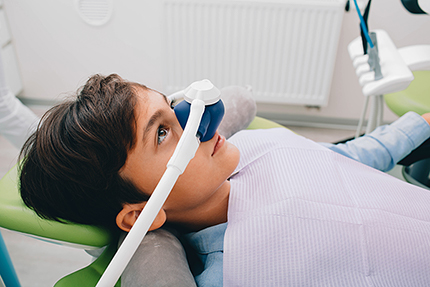
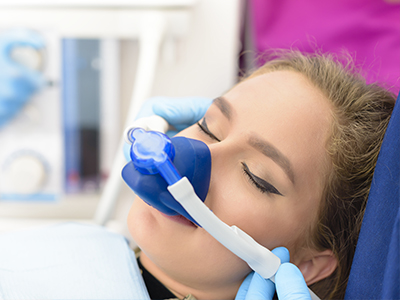
Nitrous oxide (often called “laughing gas”) is a mild inhaled sedative that reduces anxiety and helps patients feel comfortable while remaining alert. It is delivered through a small nasal mask and wears off quickly after the flow is stopped, allowing most patients to leave without a prolonged recovery period.
Nitrous oxide is ideal for patients with mild to moderate anxiety or a strong gag reflex. Because its effects dissipate rapidly once the mask is removed, patients typically recover quickly and can return to normal activities sooner than with deeper sedation methods.
Oral sedation uses a prescription medication taken before an appointment to reduce anxiety and induce drowsiness. It can make lengthy or stressful procedures more tolerable, but patients will often feel groggy afterward and should arrange for a responsible adult to drive them home.
IV sedation is administered directly into the bloodstream and is useful when deeper relaxation and precise control over the level of sedation are required. It acts quickly, and the dentist can adjust the medication during treatment to maintain the desired state of calm.
Because IV sedation can take longer to wear off, patients are given specific pre-appointment instructions — including fasting timelines — and must have someone accompany them to and from the office.
Preparation helps keep sedation safe and effective. Before scheduling, we review your full medical history, allergies, and any medications or supplements you take. Honest, detailed information allows us to choose the safest approach and avoid interactions that could affect your response to sedation.
You may receive simple instructions such as fasting for a certain number of hours before IV sedation or avoiding certain medications in the days leading up to the appointment. For oral sedation, timing is important to ensure that the medication reaches its intended effect before the procedure begins. If you have any questions about preparation, our team will walk you through each step so you feel confident and ready.
An escort is often required after oral or IV sedation to ensure you get home safely. Arrange transportation and plan for light activity the remainder of the day. If you have specific medical conditions — for example, respiratory issues or complex cardiac history — we may coordinate care with your physician to confirm the safest plan.
Safety is the central priority during any sedated visit. Our team continuously monitors vital signs such as oxygen levels, heart rate, and blood pressure while adjusting care as needed. All sedation is administered by trained professionals who follow established protocols to manage comfort and respond to changes quickly.
Recovery times vary by method: nitrous oxide clears quickly, oral sedation may require several hours of rest, and IV sedation can need longer observation. We provide clear aftercare instructions to help you recover comfortably and to know when to call if you experience unexpected symptoms.
Sedation can also make follow-up care and home hygiene easier after extensive treatment. We'll schedule any necessary check-ins and provide guidance on pain control, eating, and oral hygiene to support a smooth healing process.
In short, sedation dentistry makes dental care possible for many people who would otherwise avoid it. If anxiety, sensitivity, or medical needs have kept you from getting the treatment you need, contact us to learn how sedation could help. Our team at Comprehensive Family Dentistry will review your history, explain the options, and create a safe, personalized plan so you can get the care you deserve.

Sedation dentistry refers to a range of techniques used to help patients relax during dental procedures while remaining safe and monitored. These techniques lower anxiety and awareness to varying degrees without changing the quality of clinical care. Sedation may be recommended for routine restorations, complex treatments, or for patients who find dental visits distressing.
Each method affects consciousness and recovery differently, so the dental team discusses options and individual considerations before recommending a plan. You remain involved in decision making and informed about what to expect before, during, and after treatment. If sedation seems appropriate, our team at Comprehensive Family Dentistry will explain how each option works and why one may be preferred for your needs.
Good candidates include people who experience dental anxiety or phobia, those with an exaggerated gag reflex, and patients who require multiple or lengthy procedures. Sedation can also help children or adults with special needs, and patients who have difficulty sitting still for extended periods. Your overall medical history, medications, and any chronic conditions are considered when determining candidacy.
A careful preoperative evaluation helps the dentist choose the safest and simplest effective approach for each patient. Some medical conditions or medications may require consultation with your physician before proceeding. The goal is to balance comfort with safety while ensuring predictable treatment outcomes.
Common office-based options include inhaled nitrous oxide, prescription oral sedation, and intravenous (IV) sedation, each offering progressively deeper levels of relaxation. Nitrous oxide produces mild anxiety relief and dissipates quickly after the mask is removed, making it a convenient option for shorter visits. Oral sedation involves a medication taken before the appointment to induce drowsiness, while IV sedation is administered directly into the bloodstream for more precise control during longer or more invasive procedures.
The choice of method depends on the procedure, patient preference, and medical history, with the dentist recommending the simplest effective option. Every technique is paired with appropriate monitoring and recovery protocols. Clear pre- and post-appointment instructions help patients prepare and recover safely.
Sedation dentistry is safe when administered by trained professionals who follow established protocols, monitor vital signs, and tailor dosing to each patient. Modern monitoring equipment and standardized procedures allow the dental team to track oxygen levels, heart rate, and blood pressure throughout the appointment. Patient safety also depends on accurate medical history, honest disclosure of medications and supplements, and adherence to pre-appointment instructions.
Certain deeper levels of anesthesia are reserved for hospital settings, while conscious sedation techniques commonly used in dental offices maintain protective reflexes and normal breathing. The dental team is prepared to respond to changes in a controlled manner and will arrange for additional medical oversight when necessary. Thorough planning and communication help minimize risk and support a smooth recovery.
Preparation typically includes a medical review, instructions about fasting for specific sedation methods, and guidance about current medications and supplements. For IV sedation it is common to fast for several hours beforehand, whereas oral sedation requires precise timing of medication to ensure it is effective at the start of treatment. You should also arrange for a responsible adult to accompany you and provide transportation home if your sedation method affects alertness.
Honest disclosure of medical conditions, recent illnesses, and any over-the-counter or herbal remedies helps the dental team choose the safest approach. Follow all pre-appointment instructions closely and ask questions if anything is unclear. Proper preparation reduces the risk of complications and supports a more comfortable experience.
During a sedated visit you will be continuously monitored and the dental team will adjust medications as needed to maintain comfort and safety. Many patients experience deep relaxation or drowsiness and have limited recall of the procedure, but protective reflexes and breathing are maintained with conscious techniques. Local anesthetic is often used concurrently to control sensation at the treatment site.
After the appointment, recovery time varies by method: nitrous oxide wears off quickly, while oral and IV sedation may require several hours of rest and observation. The team provides clear aftercare instructions for pain control, eating, and activity restrictions, and will schedule follow-up as needed. Arrange for someone to stay with you if recommended and contact the office if you notice unexpected symptoms.
Most dental office sedation methods produce a relaxed, drowsy state rather than full unconsciousness, especially with conscious sedation techniques. Patients commonly remain able to respond to verbal cues, although memory of the appointment may be limited. True general anesthesia, which renders a patient fully unconscious, is generally reserved for hospital settings and specific clinical situations.
The dentist will explain the intended level of sedation and what responsiveness to expect so you know what will occur during treatment. Maintaining protective reflexes and spontaneous breathing is a key safety consideration for office-based sedation. If a deeper level of anesthesia is required, the dental team will discuss appropriate referrals or additional medical oversight.
Yes, medical conditions such as respiratory disease, certain cardiac conditions, sleep apnea, and some neurologic disorders can influence the type of sedation that is safe and appropriate. Many prescription medications and over-the-counter supplements interact with sedative drugs, so a complete medication list is essential for planning. The dental team may request medical clearance from your physician for specific conditions or complex medical histories.
Smoking, alcohol use, and recent illness can also affect sedation metabolism and recovery, so the dentist will review lifestyle factors during the preoperative assessment. Transparent communication about health, medications, and previous anesthesia experiences allows the team to reduce risks and tailor an effective plan. When necessary, coordinated care with your medical providers helps ensure safe treatment.
Sedation allows patients to tolerate longer appointments and reduces reactivity that might compromise care, enabling the dentist to complete more work safely in fewer visits. A calm, cooperative patient improves access, precision, and efficiency during restorative or rehabilitative procedures. Sedation also reduces movement and sensitivity that can hinder the clinician s ability to perform intricate tasks.
By minimizing anxiety and discomfort, sedation supports better clinical results and a more positive experience for patients who otherwise might avoid needed care. The dental team tailors sedation to the procedure length and complexity to achieve the appropriate level of comfort without unnecessary intervention. Proper planning and monitoring further support successful outcomes and recovery.
Begin by scheduling a consultation so the dentist can review your medical history, discuss the proposed treatment, and explain available sedation options. During that visit the team will assess your overall health, current medications, and personal preferences to recommend the safest and most effective approach. You will receive specific pre-appointment instructions and information about what to expect on the day of treatment.
If you decide to proceed, make arrangements for transportation and a responsible companion when required, and follow all fasting or medication guidelines provided by the team. Clear communication and thorough preparation make the process more predictable and comfortable. To learn more or to schedule a consultation for sedation, contact Comprehensive Family Dentistry and our staff will guide you through the next steps.

Whether you’re ready to schedule your next dental appointment or simply have questions about our services, connecting with our team has never been easier.
Our friendly team is here to assist with appointment scheduling, answer questions about treatments, and address any concerns you may have. You can call or use our convenient online form to get in touch.
Take the first step toward a healthier, more confident smile—contact us today and experience the difference personalized dental care can make.

Back to top