

At Comprehensive Family Dentistry, we treat children's dental care as the beginning of a lifetime of healthy habits. Our pediatric approach combines gentle clinical techniques with clear, practical guidance so families can feel confident about their child's oral development from infancy through the teen years.

The earliest dental visits are less about treatment and more about establishing trust, routine, and a positive association with oral care. By scheduling checkups at recommended intervals, parents give children a roadmap for healthy habits — regular brushing and flossing, limit-setting around sugary foods, and comfortable conversations about dental health.
Routine visits also provide an opportunity for clinicians to evaluate development milestones. During these formative years, we watch how primary teeth emerge, how spacing develops, and whether jaw growth is progressing smoothly. Early observations help identify potential concerns long before they become more complex problems.
We prioritize practical education for caregivers. Simple demonstrations, age-appropriate techniques, and clear timelines make at-home care easier to maintain. Empowering families with small, manageable steps produces measurable benefits: fewer cavities, improved confidence, and better alignment for permanent teeth down the road.
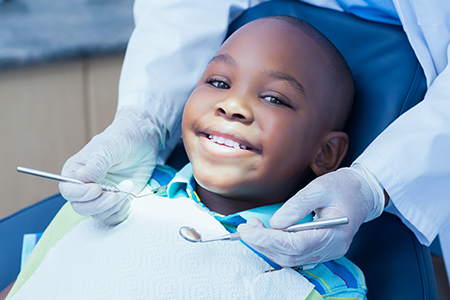
Every well-child dental visit blends a conversational check-in with a careful clinical exam. We begin by reviewing medical history, recent health changes, and any concerns you or your child may have. This helps us tailor the visit and address issues like sensitivities, diet, or thumb-sucking habits that can influence treatment decisions.
The clinical portion of the appointment includes a visual exam of teeth, gums, and soft tissues, plus an assessment of bite and jaw function. When needed, we use digital radiographs to take a closer look beneath the surface — ensuring early detection of cavities, infections, or developmental differences that are not visible during a surface exam.
A professional cleaning follows when appropriate, focusing on removing plaque and polishing teeth while teaching the child how to care for their smile at home. Our goal is to make each visit educational and encouraging so children leave feeling more comfortable and equipped to participate in their own oral health.
Preventive care extends beyond brushing and flossing. Treatments such as topical fluoride applications and dental sealants act as added layers of protection for newly erupted permanent teeth. These measures are quick, painless, and especially effective for children who are at higher risk for decay.
Behavioral strategies are part of our prevention toolkit as well. We guide families on creating consistent routines, selecting tooth-friendly snacks, and managing habits like prolonged pacifier use or frequent nighttime bottles — all of which reduce decay risk and support healthier enamel.
Protective gear is another aspect of prevention. For active children, a properly fitted mouthguard can prevent traumatic dental injuries during sports and play. We help parents evaluate activity risks and choose the most suitable protection for their child’s needs.
Start dental visits early to normalize care and detect issues before they progress.
Use age-appropriate brushing tools and supervise daily oral hygiene until your child can brush thoroughly on their own.
Avoid prolonged nighttime bottles and replace sugary drinks with water to protect developing teeth.
Schedule regular dental checkups and cleanings to maintain oral health and monitor growth.
Model good habits: children are more likely to adopt routines they see practiced by their caregivers.
Choose tooth-friendly snacks and limit sticky sweets that cling to surfaces and promote decay.
Offer gentle guidance to phase out pacifiers and thumb-sucking at appropriate developmental stages.
Use a custom or fitted mouthguard for sports to reduce the risk of dental injury.

Tooth development begins long before the first tooth appears, and the first dental visit is recommended around a child's first birthday. Early checks establish a baseline for growth and give clinicians a chance to advise parents on safe cleaning techniques and teething comfort measures.
For infants, a soft cloth or an infant toothbrush can remove plaque and prevent early decay. As more teeth emerge, an age-appropriate soft-bristled brush and a tiny smear of fluoride toothpaste help maintain enamel strength while minimizing ingestion.
Teething can be an uncomfortable milestone. Cold teething rings, gentle gum massage with a clean cloth, and comfort measures at home can relieve symptoms. If parents notice unusual swelling, persistent fever, or behavioral changes, a dental check can rule out infection or other concerns.
Tooth decay remains one of the most common health issues in childhood, but when caught early it is highly manageable. Regular exams, targeted preventive treatments, and attentive home care drastically reduce the need for invasive procedures.
When a child experiences sudden pain, a knocked-out tooth, or facial swelling, prompt attention makes a major difference. Our team is prepared to evaluate traumatic injuries and urgent infections, prioritize comfort, and implement treatment plans that minimize long-term impact.
Treatment decisions are always guided by the child's age, tooth development, and overall health. When restorative care is necessary, we focus on approaches that preserve tooth structure, prevent infection, and support normal growth — all while keeping the child’s comfort and emotional wellbeing at the forefront.
As children progress through childhood and adolescence, their faces and jaws go through predictable growth patterns. We monitor these changes at routine visits, looking for signs that orthodontic evaluation or early interceptive treatment might be beneficial to guide healthy alignment.
Nutrition plays an essential role in oral and overall development. A balanced diet rich in vitamins and minerals supports strong enamel and healthy gums. We encourage families to prioritize whole foods, limit frequent sugary snacks, and choose snacks that are less likely to cling to teeth.
Active children benefit from planning ahead. For youth who play contact or high-impact sports, custom-fitted mouthguards offer far superior protection compared with over-the-counter options. Discussing activity levels and potential risks at visits helps families choose the right protection for every child.
When developmental or behavioral issues are identified — from persistent habits that affect jaw growth to alignment concerns — we coordinate care with orthodontic specialists and other pediatric providers. Early communication and shared planning help deliver efficient, effective outcomes that support a child’s long-term oral health.
In summary, pediatric dental care is a partnership between clinicians, caregivers, and children. If you’d like to learn more about how we support healthy smiles from the first tooth through the teen years, contact us for more information.


A child's first dental visit is recommended by their first birthday or within six months of the first tooth's eruption to establish a baseline for oral development. Early visits help clinicians observe eruption patterns, identify potential concerns, and begin preventive guidance before problems arise. They also introduce the child to the dental environment and build a positive association that reduces anxiety in future visits.
At Comprehensive Family Dentistry we focus on gentle exams, caregiver education, and practical tips for home care during that initial appointment. The visit typically includes a brief oral exam, a review of feeding and oral habits, and clear instruction on safe cleaning techniques for emerging teeth. Parents should bring questions about teething, pacifier use, and family dental history so the team can tailor advice to their child's needs.
A pediatric dental exam combines a conversational review of health and habits with a careful clinical evaluation of teeth, gums, and jaw function. The clinician checks eruption progress, spacing, and bite relationships while reviewing medical history and any concerns from caregivers. When indicated, digital radiographs provide additional detail to detect cavities or developmental issues that are not visible on the surface.
A gentle cleaning may follow when appropriate to remove plaque and polish teeth while demonstrating effective brushing technique. The team will also discuss diet, fluoride exposure, and behavior strategies that reduce decay risk and support healthy development. Each visit aims to keep the child comfortable and informed while allowing clinicians to monitor growth over time.
Preventing cavities depends on consistent home care, smart dietary choices, and routine dental checkups to catch problems early. Brushing twice daily with an age-appropriate toothbrush, flossing when teeth touch, and limiting frequent sugary snacks and beverages significantly reduce decay risk. Adequate fluoride exposure from toothpaste and community sources helps strengthen enamel and lower the chance of cavities.
Professional preventive measures such as topical fluoride and dental sealants add protection for vulnerable surfaces, especially as permanent teeth erupt. Behavioral strategies like avoiding bedtime bottles with milk or juice and offering water between meals are effective in reducing prolonged sugar exposure. Caregiver education about technique, timing, and routine is a critical component of sustained oral health for children.
Topical fluoride treatments and dental sealants are safe, widely recommended preventive measures when applied appropriately for children. Fluoride helps remineralize weak spots in enamel and prevent early decay, while sealants create a durable barrier over grooves and pits on chewing surfaces. Both procedures are quick, painless, and performed with careful attention to dosage and the child’s age.
Dental professionals assess each child's fluoride exposure, diet, and risk factors to recommend the right preventive strategy and frequency. Caregivers are given clear instructions about toothpaste amounts and supervision to minimize ingestion while maximizing benefit. If there are specific medical concerns or sensitivities, the dental team will discuss alternatives and tailor care accordingly.
When a child has sudden dental pain, a knocked-out tooth, or swelling of the face, prompt evaluation helps limit damage and reduce the risk of infection. The dental team triages symptoms, manages pain and anxiety, and determines the most appropriate immediate actions based on the nature of the injury. For certain injuries, such as a displaced permanent tooth, quick intervention can improve the likelihood of successful outcomes.
Urgent visits focus on stabilizing the situation and planning follow-up care that supports healing and ongoing development. Parents should bring details about the incident and any tooth fragments when possible, along with the child's medical history. After initial management, clinicians will monitor recovery with exams and radiographs and provide preventive guidance to reduce the chance of repeat injury.
Caring for infant oral health begins before teeth erupt by wiping gums with a clean, soft cloth after feedings and avoiding prolonged exposure to sugary liquids. Once teeth appear, use an age-appropriate soft-bristled brush and a tiny smear of fluoride toothpaste to clean surfaces gently while continuing routine checks. Regular dental visits starting around the first birthday help confirm proper development and provide targeted guidance for caregivers.
Teething discomfort can usually be relieved with cold teething rings, gentle gum massage, and calming comfort measures at home without topical numbing agents unless specifically advised. If parents notice unusual swelling, persistent fever, or behavioral changes, a dental evaluation can rule out infection or other issues. Clear instructions on safe cleaning, feeding practices, and when to seek care help protect newly erupted teeth and support healthy routines.
Children should begin using fluoride toothpaste as soon as the first tooth erupts to provide early enamel protection and reduce decay risk. For infants and toddlers under age 3, a smear or rice-sized amount is recommended; for children ages 3 to 6, a pea-sized amount is appropriate while caregivers supervise brushing. These small amounts deliver benefit while minimizing the chance of swallowing excess toothpaste.
Supervision is essential until a child can reliably spit out toothpaste to limit ingestion and ensure effective cleaning. The dental team will review other fluoride sources such as drinking water and dental products to balance exposure and benefits. If families have questions about fluoride intake or local water fluoridation, clinicians can provide personalized guidance and alternative preventive options if needed.
Custom-fitted mouthguards provide superior protection for children who participate in contact or high-impact sports compared with generic, over-the-counter options. A custom guard is fabricated from impressions of the child's teeth to ensure a secure fit, comfortable breathing, and minimal interference with speech and movement. Properly fitted protection reduces the risk of chipped or displaced teeth and soft-tissue injuries during athletic activity.
Comprehensive Family Dentistry can assess your child's activity level and recommend the most suitable type of mouthguard, including guidance on care, cleaning, and when to replace it as the mouth grows. Parents should discuss sport intensity and frequency during visits so clinicians can tailor recommendations for the child's needs. Regular checks help ensure the guard continues to fit safely as teeth erupt and jaw relationships change.
Thumb-sucking and pacifier use are common self-soothing behaviors in early childhood, but prolonged habits can affect tooth alignment and jaw growth if they persist beyond the preschool years. Dental clinicians monitor these habits at routine visits and evaluate their potential impact on bite and development. Gentle, positive strategies to phase out habits are typically effective and are preferred before considering appliance therapy.
If conservative measures are ineffective and dental changes are evident, the team may discuss targeted interventions or referrals to specialists as appropriate. Timing of any treatment balances the child's emotional readiness with the likelihood of preventing further dental changes. Early communication with your dental provider allows for a coordinated plan that supports both emotional needs and oral development.
Pediatric dental visits provide ongoing assessment of tooth eruption, jaw growth, and facial development so clinicians can spot early indicators that may benefit from orthodontic evaluation. The provider looks for crowding, crossbites, asymmetry, or persistent habits that could compromise alignment and discusses potential timing for interceptive treatment. Referrals to orthodontic specialists are made when early intervention could improve long-term outcomes.
Assessments also consider nutrition, activity, and oral habits because these factors influence growth and treatment timing. When early treatment is recommended, the goal is to guide natural development, reduce complexity of later procedures, and preserve oral health. Collaboration between pediatric and orthodontic providers ensures families receive coordinated guidance and a clear plan for monitoring progress over time.

Whether you’re ready to schedule your next dental appointment or simply have questions about our services, connecting with our team has never been easier.
Our friendly team is here to assist with appointment scheduling, answer questions about treatments, and address any concerns you may have. You can call or use our convenient online form to get in touch.
Take the first step toward a healthier, more confident smile—contact us today and experience the difference personalized dental care can make.

Back to top