

A straight, well-functioning smile does more than look good — it supports chewing, speech, and long-term oral health. When teeth and jaws are aligned, forces from biting and chewing distribute evenly, reducing the chances of premature wear, fractures, and strain on the muscles and joints of the face. Many patients seek orthodontic care not only to improve appearance but to restore efficient function and protect their mouths for years to come.
Orthodontic care uses carefully planned, gentle forces to move teeth and influence jaw growth where appropriate. Modern appliances are designed to target specific tooth movements while minimizing discomfort and disruption to daily life. Treatment ranges from straightforward, localized tooth corrections to comprehensive bite and jaw alignment, with each plan tailored to the individual anatomy and goals of the patient.
At Comprehensive Family Dentistry we prioritize approaches that balance clinical effectiveness with patient comfort. Whether a case requires simple corrections or a coordinated plan that involves other dental specialties, our goal is to deliver predictable results that enhance both the look and the health of your smile.
Beyond cosmetics, properly aligned teeth make oral hygiene easier and more effective. Straight teeth reduce hidden spaces where plaque and food debris accumulate, making brushing and flossing more efficient and lowering the risk of tooth decay and gum disease. Improved access for cleaning is one of the most practical, long-term advantages of orthodontic treatment.
Alignment also protects teeth from damage. Teeth that protrude or sit outside normal protective lip coverage are more susceptible to chips or traumatic injury. Correcting the position of these teeth can significantly reduce that risk and preserve the integrity of a smile.
Function is equally important: a well-balanced bite supports comfortable chewing and clearer speech. When teeth meet properly, chewing forces travel through the teeth and jaw in a controlled way, reducing the likelihood of excessive wear and helping maintain joint health over time.
Easier daily cleaning and lower risk of cavities and gum disease
Improved protection from trauma for teeth that are no longer overly prominent
Smoother chewing and reduced abnormal wear on enamel
Better support for the jaw joints and surrounding muscles, which can reduce headaches and facial tension
Enhanced overall oral health that contributes to general well-being

No single appliance suits every case. Determining an effective treatment begins with a careful examination of tooth position, jaw relationships, and the patient’s growth potential. In children, timing can be crucial; in adults, underlying dental health and bone support shape what’s possible. A thorough diagnostic review guides whether a plan should be limited in scope or comprehensive in nature.
Patient preferences and lifestyle matter, too. Some people prioritize discreteness and removable options, while others may need the precision of fixed appliances. Clinical needs and personal goals together determine the best path forward.
We evaluate each smile on its own terms, mapping a treatment sequence that balances efficiency, comfort, and the long-term stability of the result.
Severity and type of bite discrepancy
The amount of crowding or spacing present
Whether tooth movement will require extractions or supportive anchorage
How the upper and lower jaws relate to each other in three dimensions
Expected duration of treatment and the patient’s ability to follow instructions
Any additional appliances needed to guide growth or control habits

Orthodontics has benefited from steady technological improvements that make treatment easier to plan and more comfortable to wear. Digital imaging and three-dimensional planning allow clinicians to visualize tooth movement in advance and to anticipate how a smile will evolve over time. These tools help create more efficient, predictable treatment pathways.
Appliance design has also advanced. Whether using low-profile metal brackets, clear ceramic options, lingual systems that sit behind the teeth, or removable clear aligners, clinicians now choose from a variety of systems to match the clinical need and patient priorities. Many of these options reduce bulk, improve oral hygiene access, and lessen the visual footprint of treatment.
Other innovations — such as temporary anchorage devices and accelerated movement techniques — provide clinicians with additional strategies for managing complex tooth movements or shortening certain phases of treatment when clinically appropriate.
High-resolution 3-D imaging and guided treatment planning
Digital impressions and intraoral scanning that improve patient comfort and accuracy
Discrete bracket materials and low-profile hardware for improved aesthetics
Clear, removable aligner therapies that offer predictable tooth control for many cases
Temporary anchorage devices (TADs) and other techniques for precise anchorage control
Software-driven treatment sequencing that improves efficiency and outcome predictability
Clear aligner therapy has become a mainstream option for both teens and adults. These custom-made, removable trays move teeth incrementally according to a planned series of stages. Their removable nature makes routine oral hygiene simpler and allows patients to maintain normal eating habits while progressing through treatment.
Because clear aligners are less visible than traditional braces, they appeal to people looking for a discreet way to improve alignment. Suitable cases can often be treated efficiently with aligners, though a comprehensive assessment is essential to confirm candidacy.
When aligners are not the ideal choice, modern fixed appliances still provide excellent control and remain essential for many complex movements. The right solution is the one that best matches the biology of the case, the desired outcome, and the patient’s circumstances.

Orthodontic care can begin at different ages depending on the situation. Early evaluation helps identify growth issues and habits that could benefit from interceptive treatment, while many comprehensive cases are best addressed when most permanent teeth are present. Regular monitoring during childhood lets clinicians time interventions to make the most of a child’s growth.
Teenage years remain a common time for orthodontic treatment because growth is nearly complete and most permanent teeth are established. Treatment lengths vary with complexity, but contemporary approaches aim to be efficient while preserving dental and periodontal health.
Adult patients increasingly choose orthodontic care to correct long-standing alignment issues, restore function, or address changes that occurred over time. Adult treatment requires attention to existing dental work, periodontal health, and bone support, and often benefits from a coordinated approach with restorative or periodontal care when needed.
Children may benefit from early measures that guide jaw growth or correct habits, potentially reducing the extent of later treatment. Adolescents usually tolerate full treatment well and can achieve substantial changes in a single course of care. Adults often achieve excellent results, but success depends on sound oral health and realistic expectations about timing and maintenance.
In every age group, clear communication, consistent hygiene, and adherence to appliance instructions are key factors that influence both the speed and durability of the outcome.
Finishing active tooth movement is only one step; maintaining the new positions is equally important. Retainers are the standard tool for stabilizing teeth after orthodontic treatment. They help the supporting tissues and fibers adapt to the tooth’s new alignment and reduce the natural tendency for teeth to drift back over time.
Retention strategies vary by case and can include removable or fixed retainers. The choice depends on the type of correction achieved, the patient’s habits, and long-term goals. Your clinician will recommend a plan designed to protect the investment of time and effort represented by the treatment.
Long-term maintenance also involves regular dental checkups and attention to oral hygiene. Because teeth are part of a dynamic system, ongoing habits and life changes can influence alignment. Periodic reviews help detect early signs of relapse and ensure dental health remains the foundation of any orthodontic result.
Committing to retention and routine care helps ensure the benefits of orthodontic treatment endure, allowing you to enjoy a healthy, functional, and attractive smile for years to come.
In summary, modern orthodontics offers a range of effective, personalized options for restoring alignment and function. When thoughtfully planned and carefully maintained, treatment can produce lasting improvements in oral health and self-confidence. If you’d like to learn more about orthodontic services and how they might help you or a family member, please contact us for more information.
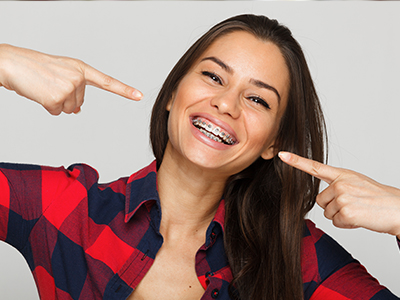

Orthodontics is the dental specialty focused on diagnosing, preventing and correcting irregularities of the teeth and jaws. It uses controlled forces and appliances to move teeth into healthier positions and, when appropriate, to guide jaw growth. Proper alignment supports chewing, speech and even the long-term stability of restorations and natural teeth.
Beyond cosmetic improvement, alignment reduces areas where plaque accumulates and lowers the risk of decay and periodontal problems by making hygiene more effective. A balanced bite also distributes chewing forces evenly, which helps prevent abnormal wear, fractures and strain on the jaw joints and facial muscles. When planned carefully, orthodontic care adds durable functional benefits that contribute to overall oral health.
Early evaluation is recommended to identify growth patterns, crowding, or habits that may affect dental development; the American Association of Orthodontists suggests an initial check by age 7 in many cases. At that stage a clinician can spot concerns like crossbites, severe crowding, or developing jaw discrepancies and recommend monitoring or early intervention when it can reduce complexity later. Not every child needs immediate treatment, but early screening allows timely planning and less invasive options when appropriate.
If an issue is detected, the orthodontist will outline whether interceptive measures are advisable or if observation is preferable until more permanent teeth erupt. Interceptive treatment focuses on guiding growth or correcting habits to improve outcomes and may shorten later comprehensive care. Regular dental visits and open communication with your dentist ensure proper timing and a coordinated approach to your child’s dental development.
Yes, adults commonly pursue orthodontic treatment to improve function, address long-standing alignment issues, or prepare for restorative work. Adult treatment requires careful assessment of periodontal health, existing restorations, and bone support because these factors influence what movements are safe and predictable. A comprehensive exam helps determine appropriate modalities and whether coordination with periodontal or restorative care is necessary.
Adults may prefer discrete options such as clear aligners or ceramic brackets, but clinical needs ultimately guide appliance selection. Treatment goals are tailored to the individual’s oral health, desired outcomes and lifestyle, with attention to minimizing risks to surrounding teeth and tissues. With proper planning and maintenance, adults can achieve stable, functional results that integrate with their overall dental care.
Treatment options include traditional metal braces, ceramic brackets, lingual braces, clear removable aligners and adjuncts like temporary anchorage devices (TADs) for complex movements. Clinicians evaluate the type and severity of the bite discrepancy, the amount of crowding or spacing, jaw relationships, and whether extractions or surgical support are needed. Digital imaging and diagnostic models allow the team to visualize outcomes and select the option that balances precision, efficiency and patient preferences.
Patient lifestyle and compliance play a role in choosing between fixed and removable systems, since aligners require consistent wear while fixed appliances offer constant control. In some cases a combination approach is used to achieve optimal mechanics and stability. The chosen plan is individualized to protect periodontal health, obtain predictable tooth movement and meet the long-term functional goals for the patient.
Advances in digital planning and materials have expanded the ability to match appliance design to clinical needs, improving comfort and aesthetics without sacrificing control. When complex jaw relationships or skeletal discrepancies are present, coordination with oral surgery or other dental specialties may be recommended. Ultimately, the treatment pathway focuses on safe biology-driven movement and durable results.
Clear aligners are custom-made, removable trays that move teeth through a planned series of staged adjustments and are especially appealing for their discreteness and ease of hygiene. They simplify brushing and flossing because they are removed for cleaning, and many patients appreciate the minimal visual impact during treatment. Aligners are highly effective for many mild to moderate alignment issues but require patient discipline to wear them according to the prescribed schedule.
Traditional fixed braces, including metal or ceramic brackets, provide continuous, precise control and remain the preferred choice for certain complex movements, severe rotations or cases needing significant bite correction. Fixed appliances do not rely on patient compliance for wear time and can be better suited to younger patients or complex biomechanics. The decision between aligners and braces is made after a thorough diagnostic evaluation that matches the appliance to the biology of the case and the desired outcome.
Treatment begins with a comprehensive evaluation that may include clinical exams, digital X-rays, and intraoral scans or impressions to map tooth positions and jaw relationships. From that diagnostic phase the clinician develops a personalized plan outlining appliance choice, estimated stages of movement and any necessary preparatory or adjunctive procedures. Patients receive instructions on appliance care, hygiene and what to expect regarding sensations or activity limitations as treatment progresses.
Routine visits for adjustments, monitoring and progress checks typically occur every four to ten weeks depending on the appliance and treatment stage. During these visits the clinician evaluates movement, makes necessary refinements, and addresses comfort or hygiene issues. Clear communication about goals and adherence to care instructions helps keep treatment on track and supports predictable results.
Treatment duration varies widely, commonly ranging from several months for limited corrections to one to three years for comprehensive bite and jaw alignment. Important factors include the severity and type of malocclusion, the amount of tooth movement required, patient age and growth potential, and the selected appliance system. Biological response to treatment and patient compliance with instructions, such as wearing aligners or elastics, also significantly influence how quickly goals are achieved.
Advances in planning, appliance design and anchorage techniques can shorten certain phases of treatment, but predictable mechanics remain the priority. Complex cases that require surgical intervention or interdisciplinary coordination may extend overall timelines. Your clinician will provide a treatment estimate based on the diagnostic findings and will update that estimate as progress is tracked.
Maintaining excellent oral hygiene is essential during orthodontic care to prevent decay and gum disease, which can compromise results. For patients with fixed appliances, brushing thoroughly around brackets and wires and using interdental brushes or floss threaders helps remove plaque from hard-to-reach areas. Those using clear aligners should remove trays for eating and clean both the aligners and teeth before reinserting them to minimize staining and bacterial buildup.
Regular professional cleanings and checkups remain important to monitor periodontal health and address any issues early. Avoiding very hard or sticky foods reduces the risk of appliance damage and keeps treatment progressing smoothly. If you experience persistent soreness, appliance breakage or other concerns, contact your orthodontic team promptly to prevent setbacks.
Retention is the phase after active tooth movement during which retainers stabilize teeth while supporting tissues and fibers adapt to their new positions. Retainers can be removable or fixed, and the choice depends on the type of correction achieved, the patient’s habits and the clinician’s assessment of relapse risk. Adhering to the recommended retainer schedule is critical because teeth naturally tend to shift over time without stabilization.
Long-term success also involves routine dental care, good oral hygiene and occasional monitoring to detect early signs of relapse. In many cases intermittent or nightly retainer use becomes a long-term habit to maintain alignment, especially after significant corrections. Your clinician will design a retention plan aimed at protecting the investment of time and effort represented by treatment and at preserving function and aesthetics for years to come.
Orthodontic treatment often integrates with restorative, periodontal and surgical care to achieve optimal function and esthetics; for example, alignment may be needed before placing implants, crowns or bridges to ensure stable occlusion and proper tooth positions. A coordinated approach evaluates timing so that orthodontics supports rather than interferes with other procedures, and restorative plans can be adjusted to complement the final tooth positions. Communication between specialists and the patient is essential to sequence care effectively and safeguard oral health throughout the process.
If you are considering orthodontics as part of a broader treatment plan, your dental team will review how alignment affects restorative needs, periodontal stability and overall treatment goals. In Miami Lakes, the practice can work with your general dentist or specialists to create a unified plan that addresses both function and appearance while prioritizing long-term oral health. This collaborative approach helps ensure predictable, durable outcomes that fit each patient’s unique circumstances.

Whether you’re ready to schedule your next dental appointment or simply have questions about our services, connecting with our team has never been easier.
Our friendly team is here to assist with appointment scheduling, answer questions about treatments, and address any concerns you may have. You can call or use our convenient online form to get in touch.
Take the first step toward a healthier, more confident smile—contact us today and experience the difference personalized dental care can make.

Back to top