

Even the most careful brushing and flossing leave areas your toothbrush can’t fully reach. Professional dental cleanings remove hardened deposits, reveal early signs of disease, and give you an opportunity to reset your at-home routine. Regular appointments with a skilled hygienist are an essential part of maintaining a healthy, comfortable mouth and a smile you’re proud to show.
A dental cleaning goes beyond cosmetic polishing. Over time, soft plaque collects along the gumline and between teeth; if it isn’t removed, minerals in saliva harden that plaque into tartar (calculus), which bonds to the tooth surface. Only a trained clinician using professional instruments can safely break up and remove those deposits without damaging enamel or irritating gum tissue.
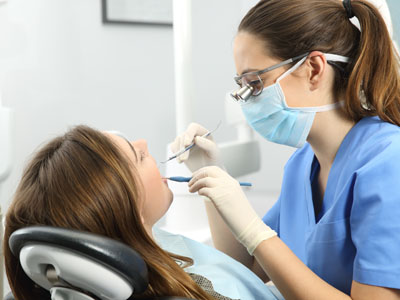
During your visit, the clinician inspects the areas around each tooth, paying close attention to places where plaque and tartar tend to hide. Removing these buildups reduces the bacterial load in your mouth, which helps protect against cavities and the inflammation that can lead to gum disease. Cleanings also restore smoother tooth surfaces, making it harder for new deposits to accumulate quickly.
Beyond removing deposits, a cleaning provides an opportunity to identify early signs of problems—like tissue inflammation, recession, or enamel wear—so they can be addressed before more involved care is needed. Routine professional maintenance is one of the most reliable ways to preserve natural teeth and healthy gums over time.
Modern cleanings combine a variety of tools selected for effectiveness and patient comfort. Ultrasonic scalers use water and high-frequency vibrations to dislodge tartar quickly, while manual instruments allow for precise finishing around tight spaces and root surfaces. Polishing removes surface stains and smooths the enamel to a glossy finish.
Many patients expect cleanings to be uncomfortable, but most report little more than mild scraping and brief sensations from the scaler. If you experience sensitivity, clinicians can adapt technique, use desensitizing pastes, or apply a topical numbing gel to make the visit more comfortable. Communication during the appointment ensures your clinician can pause or modify treatment as needed.
Safety and infection control are standard at every step: instruments are sterilized or single-use when appropriate, and staff follow strict protocols to protect patients and clinicians. The result is a thorough, efficient process designed to leave your mouth healthier and your dental appointments easy to manage.
No two mouths are exactly alike, so scheduling and treatment are customized. For many people, twice-yearly cleanings and examinations are an excellent baseline. Others—such as those with a history of gum disease, heavy plaque buildup, certain medical conditions, or tobacco use—may benefit from more frequent visits and a closely monitored preventive plan.
At your visit, the hygienist evaluates gum pocket depths, tissue appearance, and your oral hygiene routine to recommend an appropriate schedule. This personalized approach helps the team prioritize treatments and follow-up so you get the care that matches your risk profile rather than a one-size-fits-all plan.
We also use the appointment to coach on home-care techniques: proper brushing angles, flossing methods, selection of interdental tools, and simple dietary choices that support oral health. Small changes at home, paired with professional maintenance, multiply the long-term benefits for your smile.
Most routine cleanings take between 30 and 60 minutes, depending on your needs. The visit typically begins with a brief health review and an examination, followed by the cleaning itself and a final polish. If X-rays or other diagnostic images are needed, those may be scheduled at the same visit or during a subsequent appointment based on your exam findings.
If you have dental sensitivity, a strong gag reflex, or anxiety about dental visits, clinicians can adjust the experience to make it easier. Simple accommodations—short breaks, reclining adjustments, or topical desensitizers—often make a significant difference. For patients with more complex needs, the team discusses options and plans the visit to minimize discomfort and maximize effectiveness.
After your cleaning you’ll leave with smoother teeth and clear guidance on next steps. If any further evaluation or treatment is recommended, your clinician will explain why and what to expect, keeping the focus on preserving function and comfort for the long term.
Professional cleanings do more than refresh your appearance; they support oral tissues and help maintain the structural integrity of your teeth. By controlling plaque and tartar, cleanings reduce the chronic inflammation that can accelerate tissue breakdown and tooth mobility. Over time, consistent maintenance helps preserve natural teeth and the support structures that hold them in place.
Oral health also connects to overall wellness. Cleanings include a visual exam that can detect early warning signs of conditions that benefit from prompt attention—such as oral lesions, signs of tissue irritation, or changes in oral hygiene that indicate a need for different strategies. Early detection and ongoing care make it easier to manage oral health as part of whole-body health.
Whether you’re focused on preventing problems, managing a known condition, or simply maintaining a confident smile, routine professional cleanings play a central role. The team at Comprehensive Family Dentistry is committed to delivering gentle, evidence-based preventive care that helps patients of every age keep their mouths healthy for years to come.
Regular dental cleanings are a practical, proven way to protect your teeth, gums, and overall oral health. If you have questions about what a cleaning involves or which schedule best fits your needs, please contact us for more information.


Professional dental cleanings remove plaque and hardened tartar that brushing and flossing alone cannot fully eliminate, especially along the gumline and between teeth. A trained hygienist uses appropriate instruments to break up and lift deposits from tooth and root surfaces without damaging enamel or irritating gum tissue. Removing these buildups lowers the bacterial load in the mouth and helps reduce the risk of cavities and inflammation that can lead to periodontal disease.
Cleanings also smooth and polish tooth surfaces, making it harder for new plaque to adhere and accumulate quickly. During the visit clinicians inspect soft tissues for early signs of problems such as inflammation, recession, or abnormal wear so issues can be addressed before they require more invasive treatment. Regular maintenance is one of the most reliable ways to preserve natural teeth and healthy gums over time.
Modern cleanings typically combine ultrasonic scalers, which use water and high-frequency vibrations to dislodge tartar, with manual instruments for precise finishing in tight spaces and along root surfaces. After scaling, clinicians polish the teeth to remove surface stains and restore a smooth enamel finish. Throughout the procedure the hygienist monitors your comfort and adjusts technique to minimize sensitivity, using topical desensitizers or pausing when needed.
Most patients report sensations described as gentle scraping or vibration rather than sharp pain, though individuals with sensitive teeth may notice brief discomfort. Communication is encouraged so the clinician can modify pressure, angle, or take short breaks to improve comfort. Infection control and instrument sterilization are strictly observed to keep the visit safe and efficient.
For many people, twice-yearly cleanings and exams provide an excellent preventive baseline; this interval supports plaque control, early problem detection, and long-term maintenance of oral tissues. Some patients with higher risk factors — such as a history of periodontal disease, heavy plaque buildup, certain medical conditions, or tobacco use — may require more frequent visits and a closely monitored preventive plan. Your hygienist at Comprehensive Family Dentistry will evaluate gum pocket depths, tissue appearance, and your home-care routine to recommend an individualized schedule.
Following a personalized plan helps prioritize treatments and follow-up so you receive care based on your risk profile rather than a one-size-fits-all approach. Regular follow-up visits also allow the team to track changes and intervene early if tissue breakdown or new concerns appear. Staying consistent with recommended intervals multiplies the long-term benefits of professional maintenance for both function and aesthetics.
Yes. When gum disease is present, clinicians often provide deeper cleaning procedures that focus on removing tartar and bacteria from below the gumline and along the root surfaces. These treatments, sometimes delivered over multiple visits, are tailored to pocket depths, tissue inflammation, and the extent of supporting bone loss, and they may include specific home-care recommendations and more frequent monitoring. The goal is to reduce inflammation and stabilize the supporting structures of the teeth.
After initial therapy, ongoing periodontal maintenance visits are scheduled at intervals determined by disease severity and response to treatment, which helps prevent recurrence and protect natural teeth. Clinicians may also coordinate care with periodontal specialists for advanced cases or when surgical intervention is recommended. A collaborative, evidence-based approach improves outcomes and helps patients preserve oral health long term.
A typical visit begins with a brief health review and an oral exam to identify areas of concern and to determine whether X-rays or additional diagnostics are needed. The hygienist then performs scaling to remove plaque and tartar, pays special attention to gum pocket areas, and finishes with polishing to smooth enamel surfaces. Total appointment time usually ranges from 30 to 60 minutes depending on individual needs and any additional preventive services required.
If you have sensitivity, a strong gag reflex, or dental anxiety, clinicians can make simple accommodations like short breaks, reclining adjustments, or topical desensitizers to improve comfort. Any findings that require further evaluation or treatment will be explained clearly, including next steps and the reasons behind recommended care. The focus is on preserving function and comfort while keeping you informed throughout the process.
Regular professional cleanings help control chronic inflammation in the mouth, which is an important factor in protecting the tissues that support teeth and preventing tooth mobility and loss. Oral infections and prolonged inflammation can also complicate systemic conditions such as diabetes and may have associations with cardiovascular health, so maintaining periodontal health supports whole-body wellness. Cleanings provide an opportunity for early detection of oral lesions and other signs that may warrant medical follow-up.
By reducing bacterial load and inflammation, cleanings contribute to a healthier oral environment and can make everyday activities like eating and speaking more comfortable. Clinicians use each visit to educate patients about behaviors and dietary choices that support oral-health goals, creating a coordinated approach between in-office care and at-home habits. Early intervention and consistent maintenance make it easier to manage oral health as part of overall health.
Preparing for a cleaning is straightforward: bring a list of current medications and any recent health changes, and be ready to discuss your daily oral hygiene habits and concerns. If you have dental anxiety or special needs, let the office know when you schedule the appointment so staff can arrange appropriate accommodations. For patients with complex medical histories, informing the team about conditions like heart disease, diabetes, or immune disorders helps clinicians adapt care safely.
Avoid eating a heavy meal immediately before the appointment and maintain your normal brushing and flossing routine; this allows the hygienist to assess your typical oral condition. If you require antibiotics before dental procedures because of a medical condition, confirm instructions with your physician or dentist in advance. Clear communication helps the visit run smoothly and ensures you receive the most appropriate preventive care.
Professional cleanings can reduce sensitivity in some cases by removing irritating deposits and smoothing rough root surfaces where exposed dentin may contribute to discomfort. During the appointment, clinicians can apply desensitizing agents or recommend in-office treatments that block exposed tubules and reduce sensitivity symptoms. Addressing underlying issues such as gum recession, enamel wear, or recurrent decay is important to achieve lasting relief.
For ongoing sensitivity, the hygienist will review brushing technique and product recommendations, such as specific toothpaste for sensitive teeth or topical fluoride applications that strengthen enamel. If sensitivity persists, further evaluation may identify root causes requiring restorative or periodontal treatment. Combining targeted in-office care with consistent at-home practices provides the best chance for meaningful improvement.
Effective at-home care complements professional cleanings and includes twice-daily brushing with a fluoride toothpaste, daily interdental cleaning with floss or interdental brushes, and limiting frequent consumption of sugary or acidic foods and beverages. Proper technique is as important as frequency: clinicians can demonstrate optimal brushing angles and flossing methods to improve plaque removal and reduce gum irritation. Using adjunctive tools such as antimicrobial mouthrinses or water flossers can be beneficial for certain patients based on individualized recommendations.
Regularly communicating with your hygienist about changes in your oral health or in your health history helps tailor both in-office and at-home strategies. Small, consistent improvements to daily habits often multiply the benefits of professional maintenance and help preserve natural teeth and gum health over time. If you have questions about products or techniques, ask your clinician for evidence-based guidance during your next visit.
The office of Comprehensive Family Dentistry emphasizes patient comfort, evidence-based preventive care, and individualized treatment planning to help patients maintain healthy smiles for life. Clinicians use modern instruments, strict infection-control protocols, and a personalized approach to evaluate risk, remove deposits safely, and coach effective home-care habits. This combination of technology and attention to patient needs supports predictable, long-term oral health outcomes.
During each visit the team focuses on clear communication, early detection of potential problems, and tailored follow-up so that preventive care fits each patient's lifestyle and risk profile. Whether you are focused on preventing disease, managing a known condition, or simply keeping a confident smile, regular cleanings delivered with clinical expertise are central to preserving oral function and comfort. If you have questions about scheduling or care options, your clinical team can explain recommended next steps and what to expect at future visits.

Whether you’re ready to schedule your next dental appointment or simply have questions about our services, connecting with our team has never been easier.
Our friendly team is here to assist with appointment scheduling, answer questions about treatments, and address any concerns you may have. You can call or use our convenient online form to get in touch.
Take the first step toward a healthier, more confident smile—contact us today and experience the difference personalized dental care can make.

Back to top